 |
Through the HGS-HIRe abroad program I had the opportunity to visit
the North Carolina State University (NCSU) and the Lawrence Berkeley
National Laboratory (LBNL). My visit was equally split between the
two institutions, both being highly stimulating research environments.
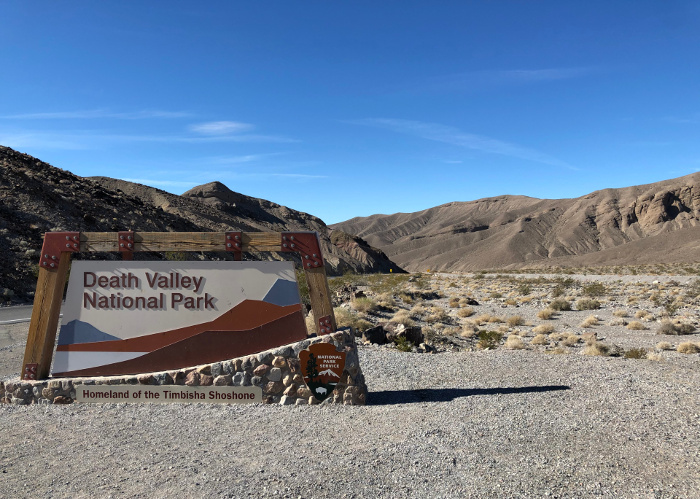
My first stay was in Raleigh, the capital of North Carolina and home of NCSU,
where I visited Thomas Schäfer. My stay was very productive, initiating
new collaborations and having plenty very interesting discussions with both
theorists and experimentalists present at the department of physics.
This pleasant research environment was not only very productive research wise,
but I also gained a lot of knowledge in areas of physics I haven’t dived into
before. Apart from the scientific aspects of my stay, I also enjoyed the town
of Raleigh and its surroundings a lot. Supported by the amazing autumn weather,
it was a blast to explore the town and its lakes, the downtown area and the
campuses in detail.
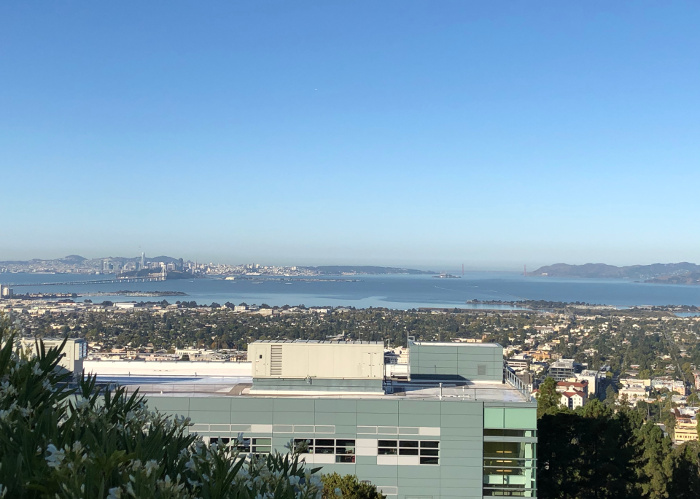
After my stay at the east coast I continued to the west coast, to Berkeley.
Visiting there had the added benefit of having relatives in the area making
my stay very convenient. At the national lab in Berkeley I stayed with Volker
Koch and the nuclear theory group. Also, my stay in the Bay area was
scientifically very fruitful, progressing an existing project with Volker.
My time in Berkeley was only damped by the occasional blackouts due to wildfires,
leading to a closed lab now and then. Heading back towards Germany, I stopped at
the east coast again, where I was invited to give seminars at UConn, the BNL
and Stony Brook. With this I had a nice conclusion of this trip in the amazing
New York City.
I would like to express my gratitude to HGS-HIRe for the support, which made
this in part possible. In summary, it was a marvellous experience, both on a
scientific and on a personal level.
|
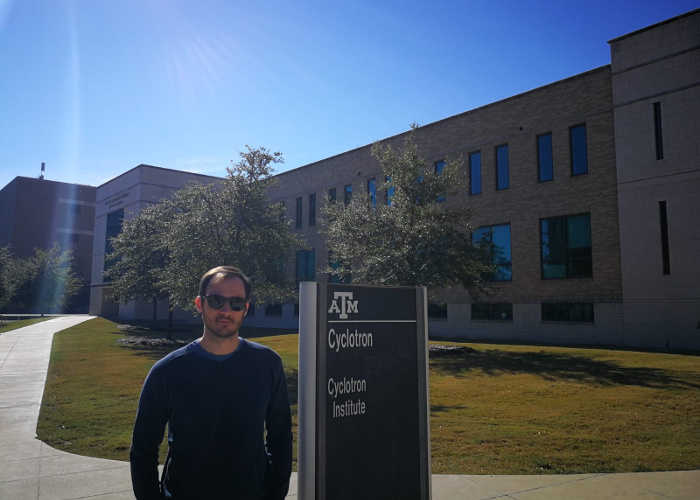
Pascal Gunkel - Cyclotron Institute, Texas A & M University, College Station Texas, USA: September - November 2019 |
 |
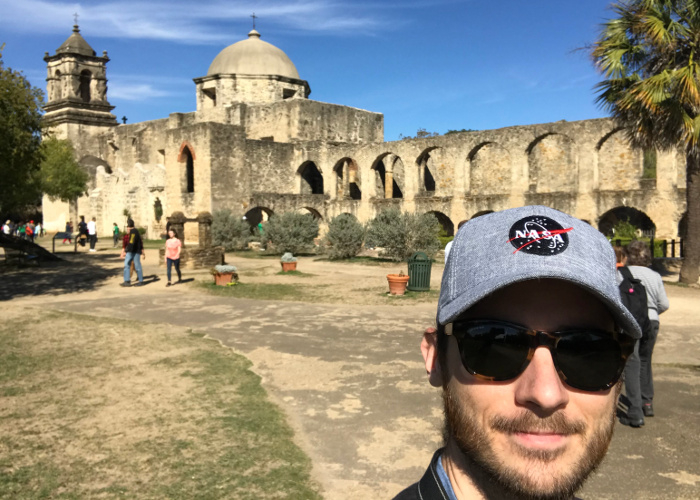
  Since I started my Phd project, I am working on light bound
  states in medium and the influence of hadronic effects onto
  the phase diagram of QCD. Before my stay at the Cyclotron
  Institute, I considered the scalar and pseudoscalar channel
  and had no chance to experimentally test my results.
  But through HGS-HIRe abroad, I got the opportunity to work
  together with Prof. Rapp, who is an leading expert for vector
  mesons in medium and whose work concerns the transition
  between theory and experiment via dilepton spectra.

  Onsite, I was able to learn, e.g., about spectral functions,
  their connection to the experiment through dilepton spectra,
  and many other things in discussions and talks. Furthermore,
  I am looking forward to a further collaboration of our group
  with Prof. Rapp and his group.
|
  The scientific progress wasn't the only positive contribution
  to my stay. In my spare time, on the weekends, I enjoyed to
  discover the different cities and the nature of Texas and
  to do sports with new friends. Fortunately, I was also able
  to participate to an US tradition with the family of my host:
  Thanksgiving.

  Overall, I had an exciting and productive time and I would
  recommend everybody to pursue such a great chance. Finally,
  my gratitude goes to HGS-HIRe for the financial support of
  my trip, my supervisor for his support, and to my host
  Prof. Rapp and his group for their warm welcome.
|
 |
|
Alena Harlenderova-Gromada – University of Oslo, Norway: August - October 2019 |
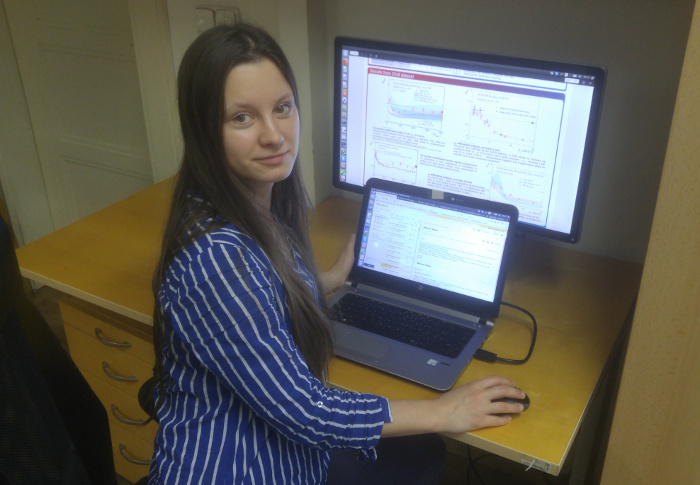 |
  In my PhD project and also during my stay at University of
  Oslo, I work on the analysis of the inclusive J/psi nuclear
  modification factor R_AA at midrapidity (|y| < 0.9) in Pb–Pb
  collisions at the center-of-mass energy per nucleon-nucleon
  pair of sqrt(s_NN) = 5.02 TeV.

  Heavy quarks are produced during hard scatterings at the
  early stage of nucleus-nucleus collisions. Therefore, the
  J/psi meson, a bound state of a charm quark and its antiquark,
  serves as an important probe of Quark-Gluon Plasma (QGP)
  properties. An in-medium modification can be studied via the
  nuclear modification factor R_AA. I work on the analysis
  together with Ionut Arsene from the University of Oslo and
  Xiaozhi Bai from GSI.

  We benefited from the fact that I could stay in Oslo ALICE
  group lead by Trine Tveter for three months. Communication
  between the GSI part (Xiaozhi Bai and me) and the Oslo part
  (Ionut Arsene) of our analysis team became more efficient
  when we met every day in person.
|
  I have learned a lot from Ionut Arsene who is real expert
  in the J/psi analysis via the dielectron decay channel.
  He has been very willing to spend his time by sharing the
  knowledge with me and I have managed to speed up my
  progress thanks to it.

  We also shared experience about a new Pb–Pb dataset with
  Alexandra Neagu, a PhD student working on the inclusive
  J/psi elliptic flow. I think that this all contributed
  to the fact that we managed to push our analysis to a
  preliminary result and it was shown at the Quark Matter
  conference in November. We continue in working together
  to publish the result.

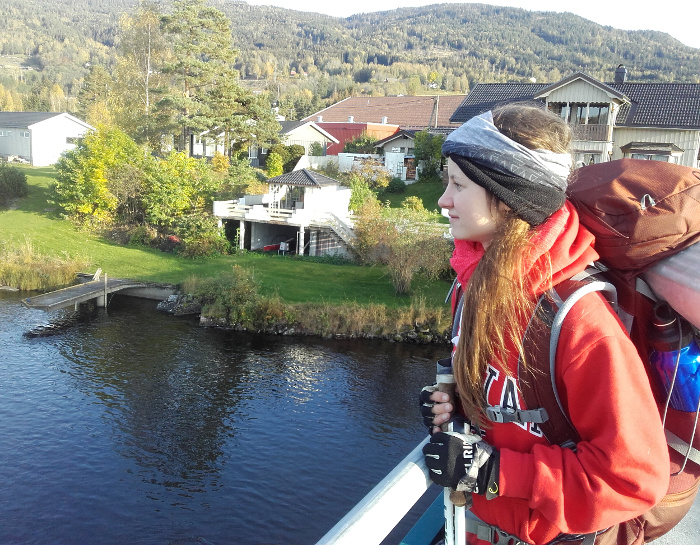
  But the stay in Oslo did not positively contribute only
  to our progress in analysis. I have found good friends
  in the ALICE group in Oslo and also enjoyed the atmosphere
  of the city and the surrounding woods full of beautiful
  lakes during rare moments of free time.

  I would like to thank HGS-HIRe very much for a great
  support that made this all possible!
|
 |
|
Maximilian Herbert – Thomas Jefferson National Accelerator Facility, Newport News in Virginia, USA: April - May 2019 |
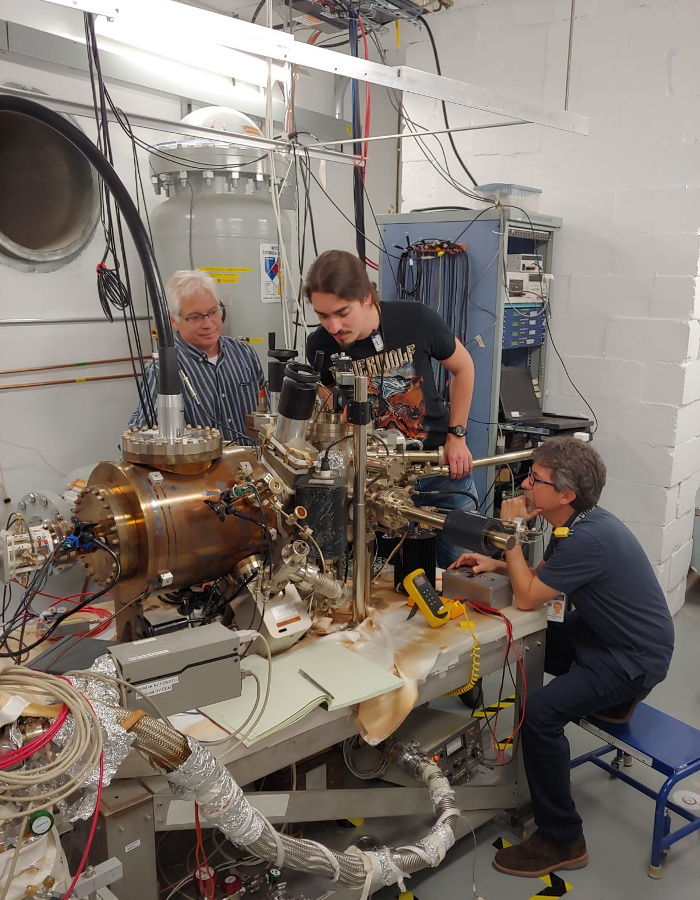 |
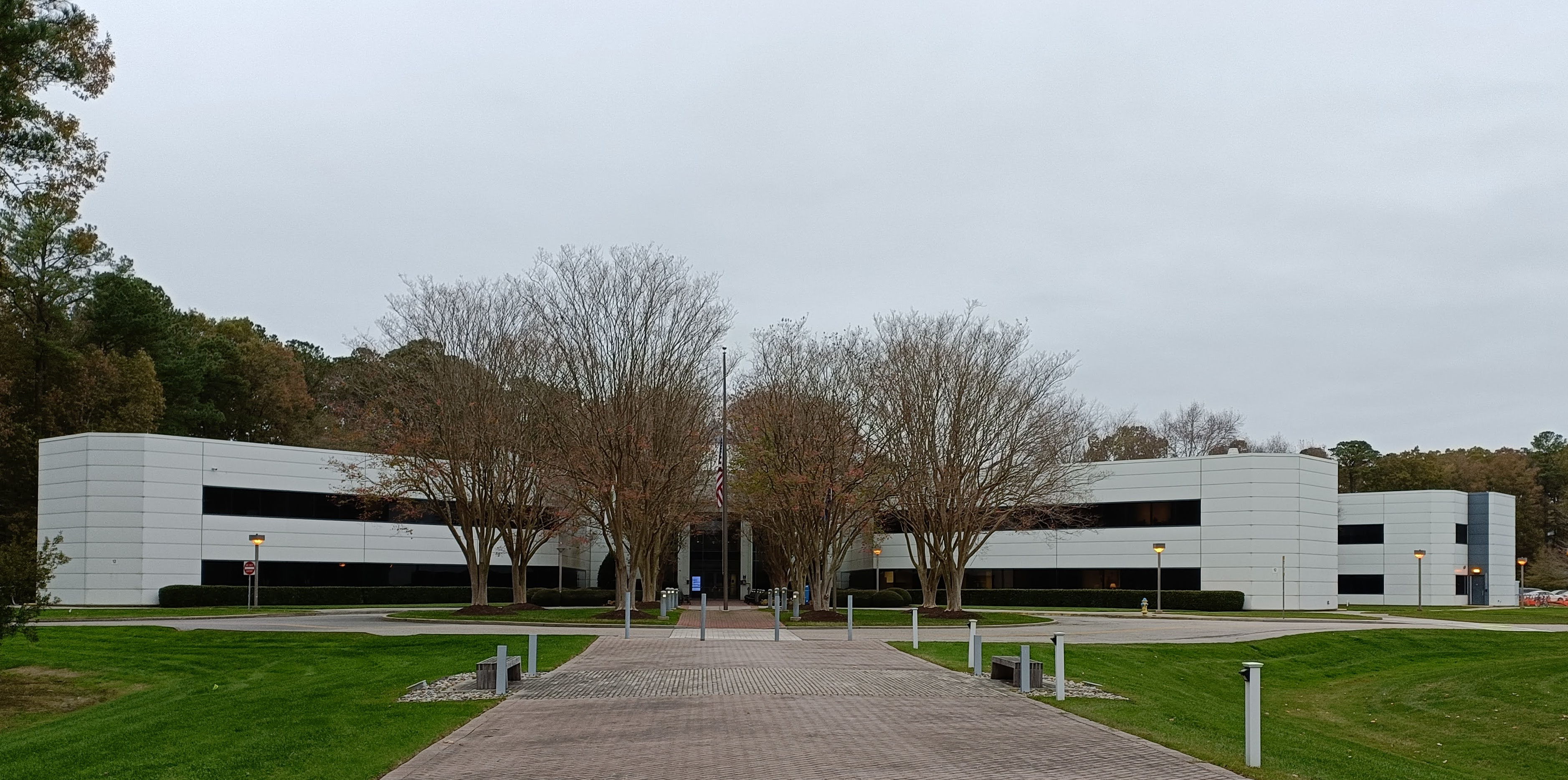
In 2017, I had the pleasure of meeting Matthew Poelker at an international
workshop in Daejeon, Republic of Korea. He is the Injector group leader
at the Thomas Jefferson National Accelerator Facility, or Jefferson Lab,
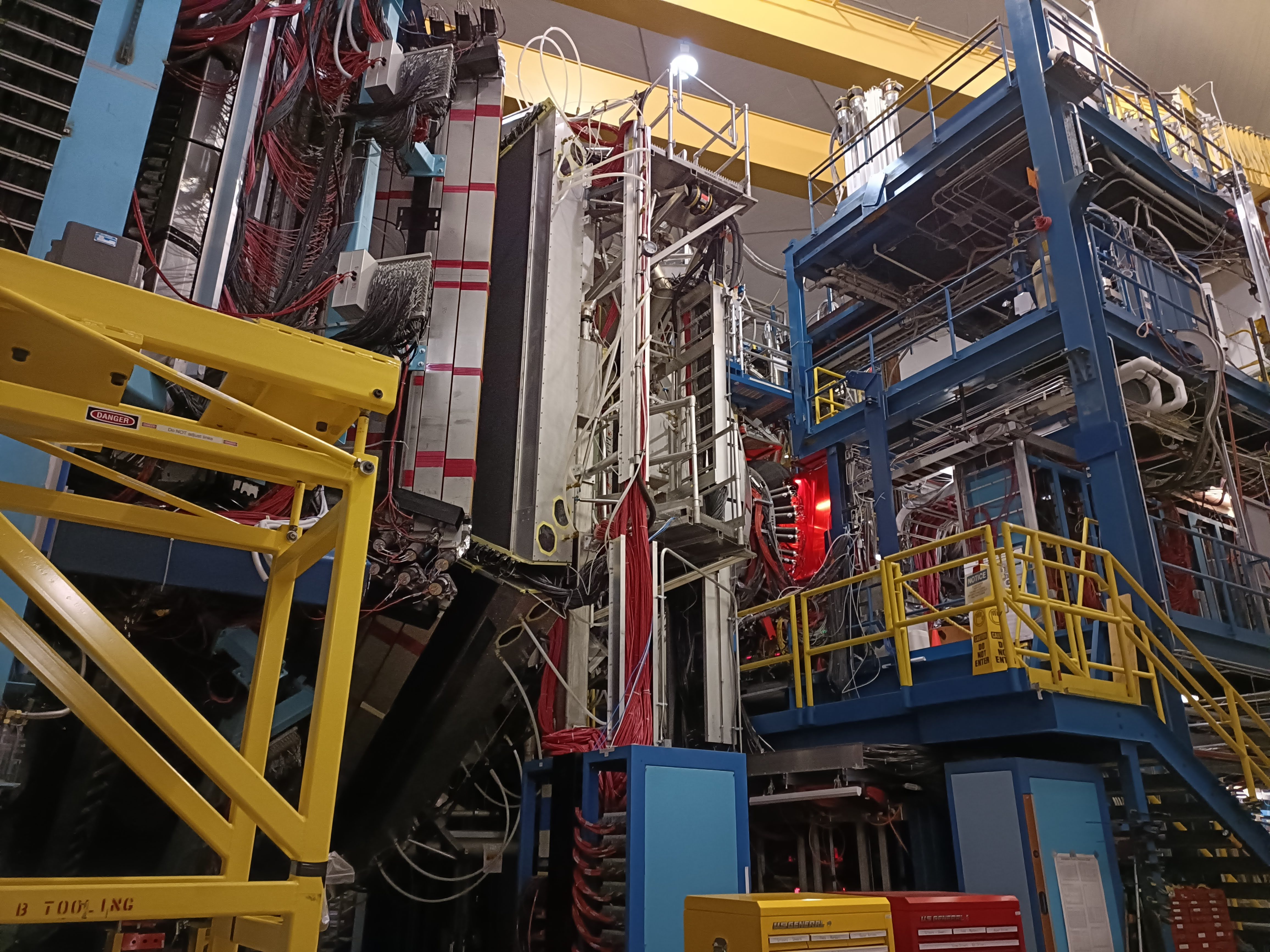
located in the town of Newport News in Virginia, USA. His group operates
the Upgrade Injector Test Facility (UITF) – a small, 10 MeV electron
Linac – and is one of very few also specializing in my particular field
of research: laser-based DC polarized-electron sources using GaAs-based
photocathodes. He invited me to visit his group and, thanks to HGS-HIRe,
this year I was finally able to accept his invitation.
Unfortunately, the beam time for my planned measurements was delayed
due to some short-term construction work. Nevertheless I was able to
use the time very well, gaining a lot of insight into gun commissioning
– especially high voltage conditioning. I also was offered the great
opportunity to present my current work and enjoyed a lot of very fruitful
discussions with the group whom I was able to integrate quickly with,
thanks to the very warm welcome offered. I was able to learn a lot from
my very experienced hosts, greatly benefiting the progress of my PhD project.
Additionally, they provided me with a separate experimental setup,
allowing me to conduct additional studies on photo-cathode activation
while waiting for beam time. Although overall beam time was cut short,
we still managed to produce some very promising results, and we are now
working to further deepen the collaboration between our groups.
This trip was only possible due to the support by HGS-HIRe, and I am
very grateful to have been granted this marvelous opportunity of a
six-week stay at a foreign national institute. I enjoyed experiencing
a different scientific environment and a similar, yet different culture.
During my free time, I was able to explore Newport News and Norfolk
and I even managed to go on a short, exciting trip to Washington D.C..
I would like to thank HGS-HIRe for financial support of my trip,
my host Matthew Poelker and his colleagues for their marvelous reception
and support and my supervisor Prof. Joachim Enders for eagerly supporting
the planning of this trip.
|
Lukas Rammelmüller – University of North Carolina in Chapel Hill, USA: September - October 2018 |
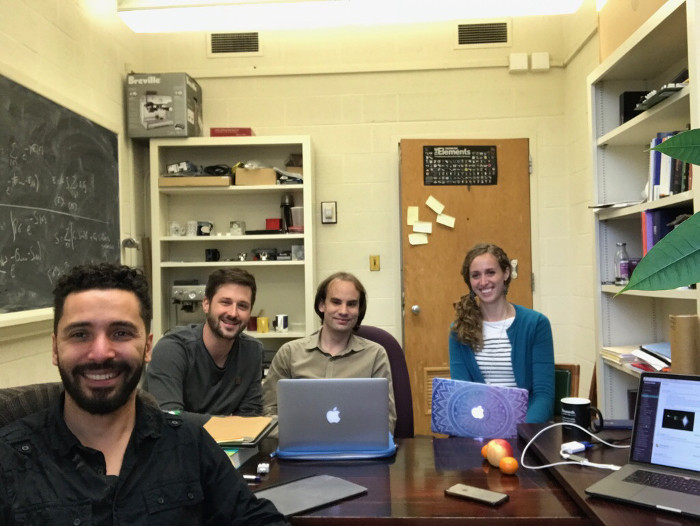 |
Of the many possibilities of first words to hear in the United States,
the sentence "Yeah, there's going to be a hurricane..." was not on my list.
Luckily the storm turned out to be rather mild in the area of Chapel Hill -
the university, however, remained closed for the entire first week of my stay.
Despite the delayed start of work, my time at the University of North Carolina
has been very productive. While generally the collaboration of the groups in
Darmstadt and Chapel Hill works great remotely, the numerous discussions in
person led to a substantial amount of progress towards the goals set out
for the visit. In fact, we have finished an existing project and came up
with a whole bunch of new ideas for our future directions to study phases
of strongly correlated quantum matter. The close collaboration with Joaquin
Drut and his group has already led to great success in the past and I'm
confident that it will continue to do so, not least due to my recent visit.
Moreover, Prof. Drut organized for me to visit two of his collaborators
from the Research Triangle (which is the name of the general area spanned
by UNC, Duke and North Carolina State University) and I was presented with
the great opportunity to give two seminar talks about our recent progress.
The discourse with other research groups, focusing also in the experimental
counterpart of my theoretical work, opened up a pathway to possible future
collaborations.
I'm very grateful to HGS-HIRe for giving me the opportunity for this
five-week visit in North Carolina. It was a pleasure to experience
American group culture and to peek into a different scientific environment.
Despite the weather and another Hurricane towards the end of my stay,
I enjoyed my time in North Carolina and, most importantly, I had a lot
of fun while pushing my work further toward the completion of my PhD project.
|
Felix Ziegler – George Washington University in Washington, D.C., USA: May - July 2018 |
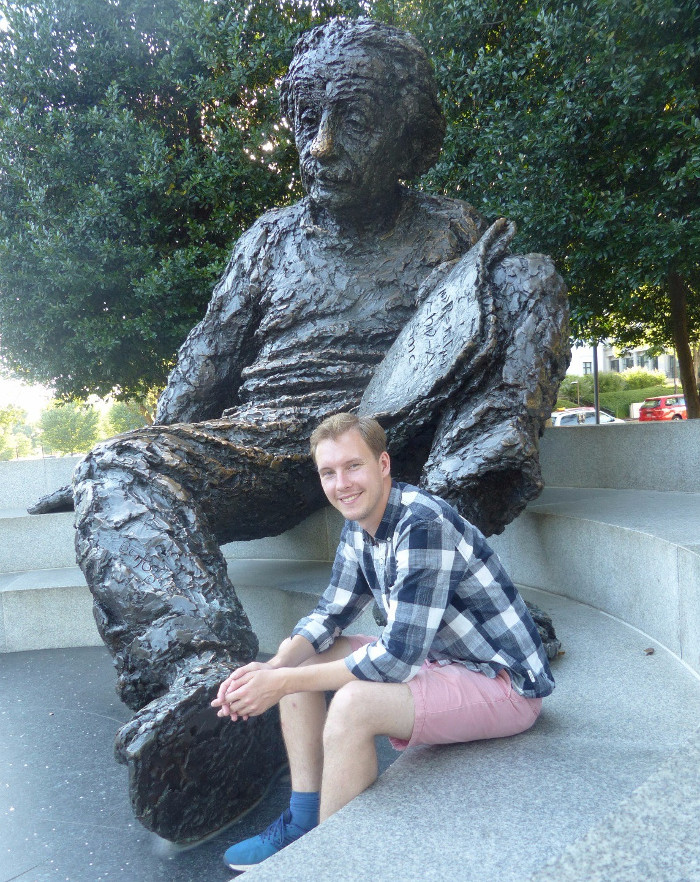 |
The HGS-HIRe abroad program gave me the opportunity to conduct
a research project with Andrei Alexandru at the George Washington
University (GWU) in Washington, D.C., USA from May to July 2018.
GWU was founded in 1821 under the name Columbian College and is
the largest university within the District of Columbia. It it is
located in the heart of D.C. surrounded by numerous US federal
and United Nations institutions.

In Washington, I worked within the lattice QCD group at the
Department of Physics. Upon my arrival I was warmly welcomed
by my host supervisor, his fellow professors and students.
I was able to integrate quickly into the group and I am grateful
for the friendly, supportive and highly inspiring working
atmosphere. In my project I focused on simulation methods for
real-time field theories at finite temperature which are of
interest for understanding transport phenomena in heavy-ion
collision experiments at LHC or RHIC.

The group of my host supervisor partly consist of scientists
from the close University of Maryland (UMD) at College Park,
Maryland. The whole group meets and works together almost
every day alternating at GWU or UMD. Hence, progress was
reviewed and feedback given on a daily basis which led to an
efficient and productive working environment. In addition
I could enlarge my scientific network to researchers at UMD
where I also gave a talk in the nuclear theory seminar.

After work I often fought squash battles with my host
supervisor for which GWU offers courts representing only
a small fraction of a large variety of sportive activites.

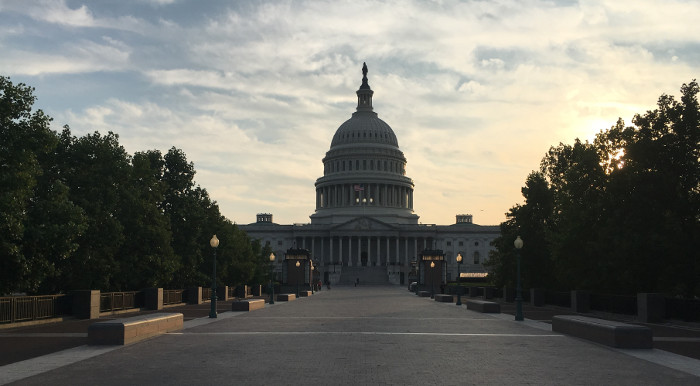
Moreover, National Mall is an excellent place to go for
a run e.g. around the Washington Monument or the Lincoln
Memorial.
|
Washington D.C. is a diverse capital and besides politics
it forms a center of rich culture life. Among a plethora
of historic sites I highly recommend to visit the
Smithsonian Museums which are for free. Among those
I highly enjoyed visiting the National Museum of African
American History and Culture as well as the National Air
and Space Museum. Moreover, regarding week-end trips cities
such as Baltimore or New York City are reachable within a
reasonable amount of travel time.

I would like to thank HGS-HIRe as well as my home supervisor
Jan M. Pawlowski and my host supervisor Andrei Alexandru
very much for their support and for having given me the
chance to carry out a part of my PhD at Washington, D.C.,
which has been a marvelous experience.
|
 |
|
Esther Weil – CERN, Switzerland: April - June 2018 |
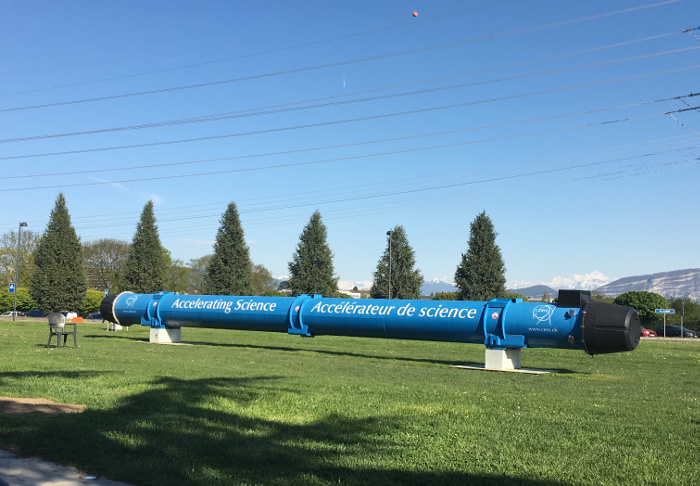 |
  Through the HIRe Abroad Program I had the chance to spend three
  months at CERN, the largest particle accelerator in the world.
  As I had never experienced a lab environment before, I found it
  highly motivational and exciting to be part of such a large and
  thriving research institution.

  Within CERN I was associated with the theory group, in particular
  the subgroup working on lattice field theory. The focus of my
  PhD project is, in fact, based in a different theoretical
  approach that tackles many of the same questions considered
  by the CERN lattice group. Thus, we were able to exchange
  thoughts and ideas on the benefits of different techniques
  and how to best describe and predict processes of the strong
  force.

  My research topic is also very closely related to experiments
  at CERN, as I am calculating observables that have been, and
  will continue to be measured by various CERN-based experimental
  collaborations. This gave me the unique opportunity to talk
  directly to experimentalists about various details of the
  experiment, future plans and their interest in inputs from
  the theory community.
|
  I additionally benefited from the wide selection of talks
  that are offered at CERN everyday and the vast variety of
  different visitors during my stay.

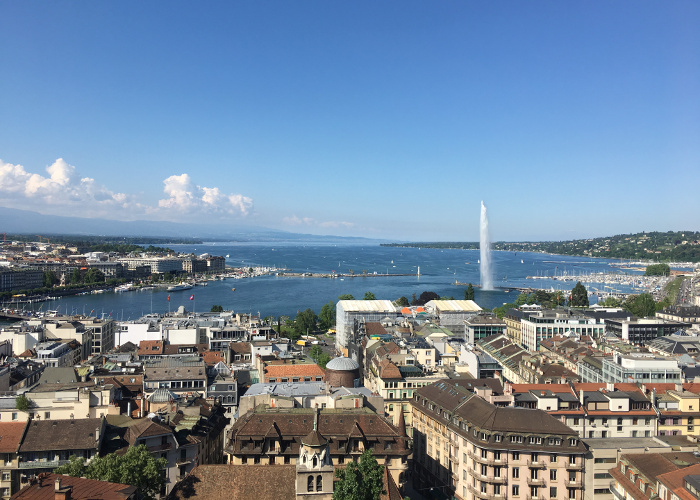
  With the amazing summer weather I explored the area by biking,
  running, hiking and swimming. Given CERN's proximity to the
  Jura mountain range and Lake Geneva, there are lots of
  opportunities for great outdoor activities.

  In summary, my time at CERN was an exciting, motivating and
  productive experience throughout and I am highly grateful
  for the opportunity offered through HIRe. I strongly encourage
  everyone who has the opportunity to apply to this program.

  Finally, I would like to thank HGS-HIRe and my local advisors
  at CERN once more for the support and the truly wonderful
  experience.
|
 |
|
Paul Wallbott – Instituto Superior Tecnico (IST), University of Lisbon, Portugal: October - December 2017 |
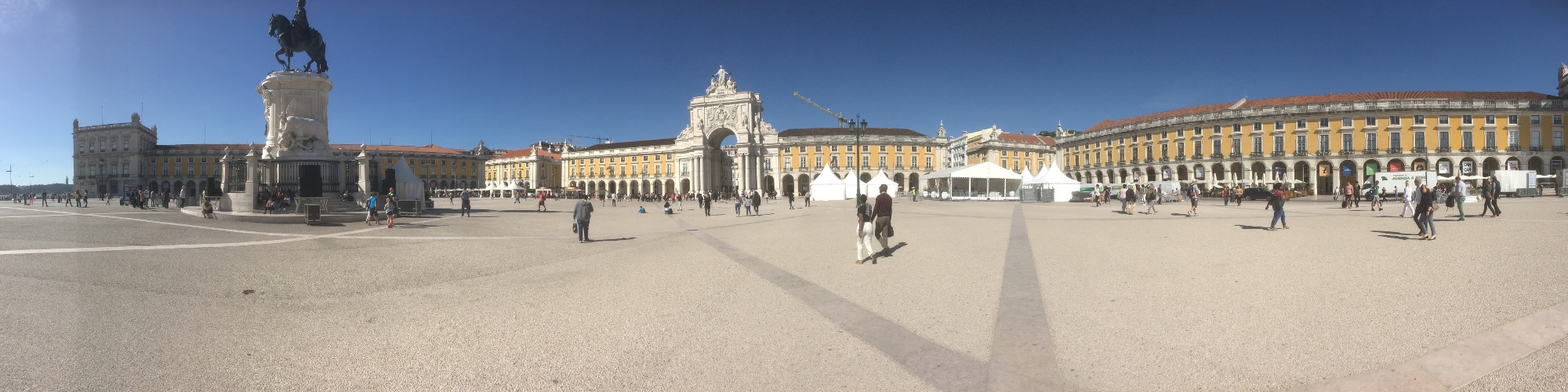 |
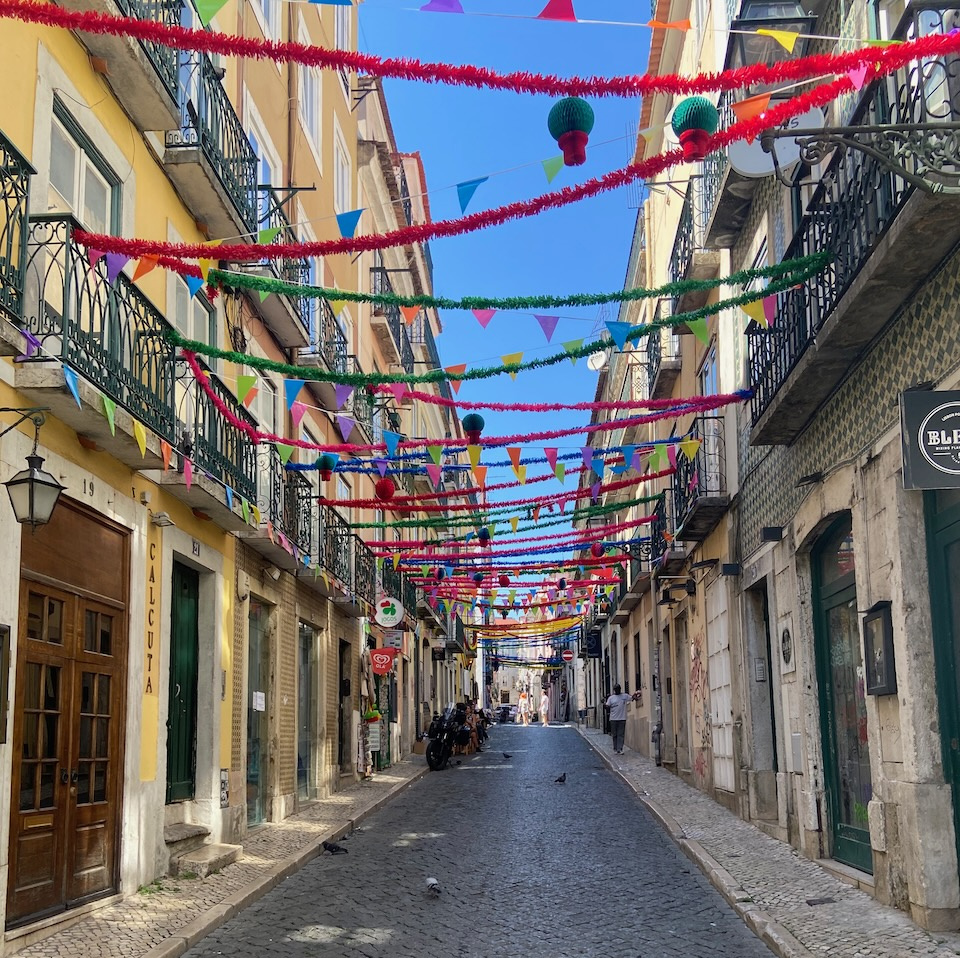
  History and tradition alongside with innovation can be
  felt everywhere in Portugal's sunny and vivid capital.
  In the small squares and streets of the traditional Moorish
  district Alfama, situated on one of Lisbon's seven hills
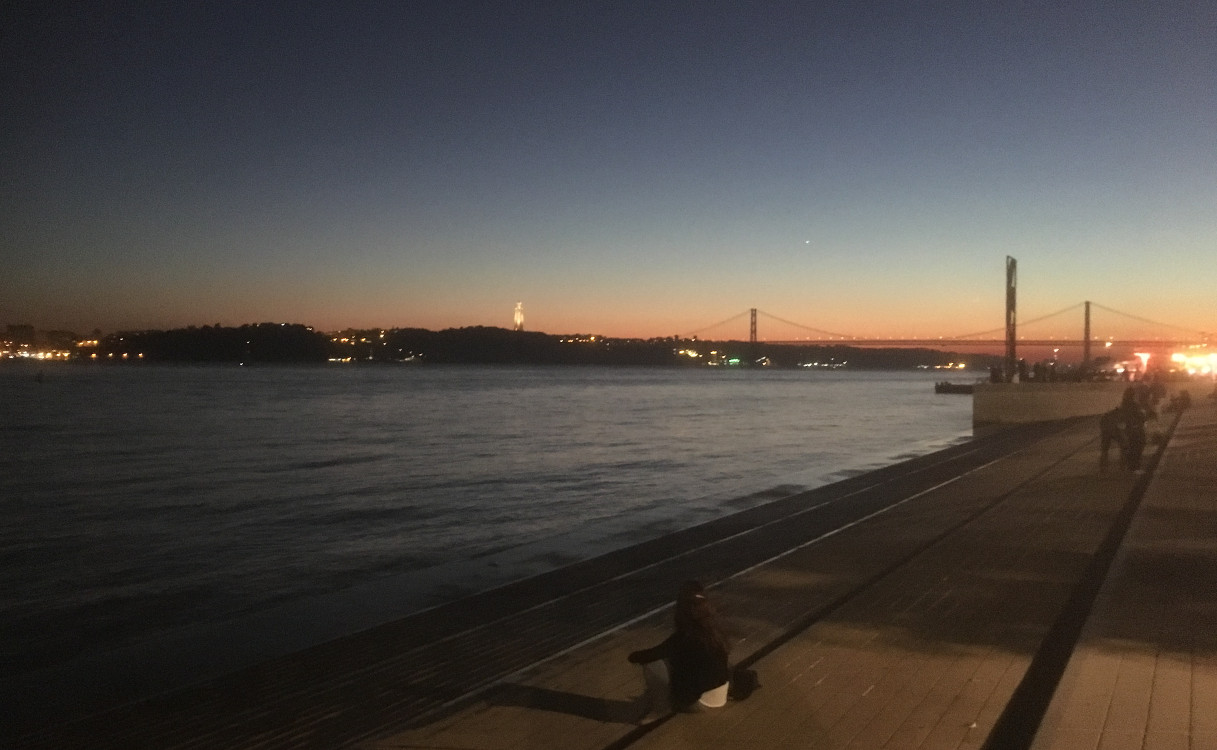
  (don't ever bike there) as well as in Parque Das Nacoes,
  its most modern district build for the former world exposition,
  close to the river Tejo.
|
  HGS-HIRe abroad gave me the opportunity to spend three month
  in this beautiful city and continue my phd work on tetraquarks
  at Instituto Superior Tecnico (IST) which is part of the
  University of Lisbon, founded in 1911. Cutting edge research
  is conducted in the fields of mathematics, engineering and
  physics and I was pleased to work with and learn from the
  local hadron physics group.

  From October to December we worked on a new method for solving
  the tetraquark Bethe-Salpeter equation and strengthened the
  collaboration with the hadron physics group at the center for
  theoretical physics at IST. I could obtain new ideas of other
  methods for hadron spectroscopy, like CST, gave seminars and
  audited interesting talks.

  From the Portuguese people I encountered a great amount of
  hospitality and, despite working a lot, found time to explore
  other parts of Portugal like Porto and the Algarve during the
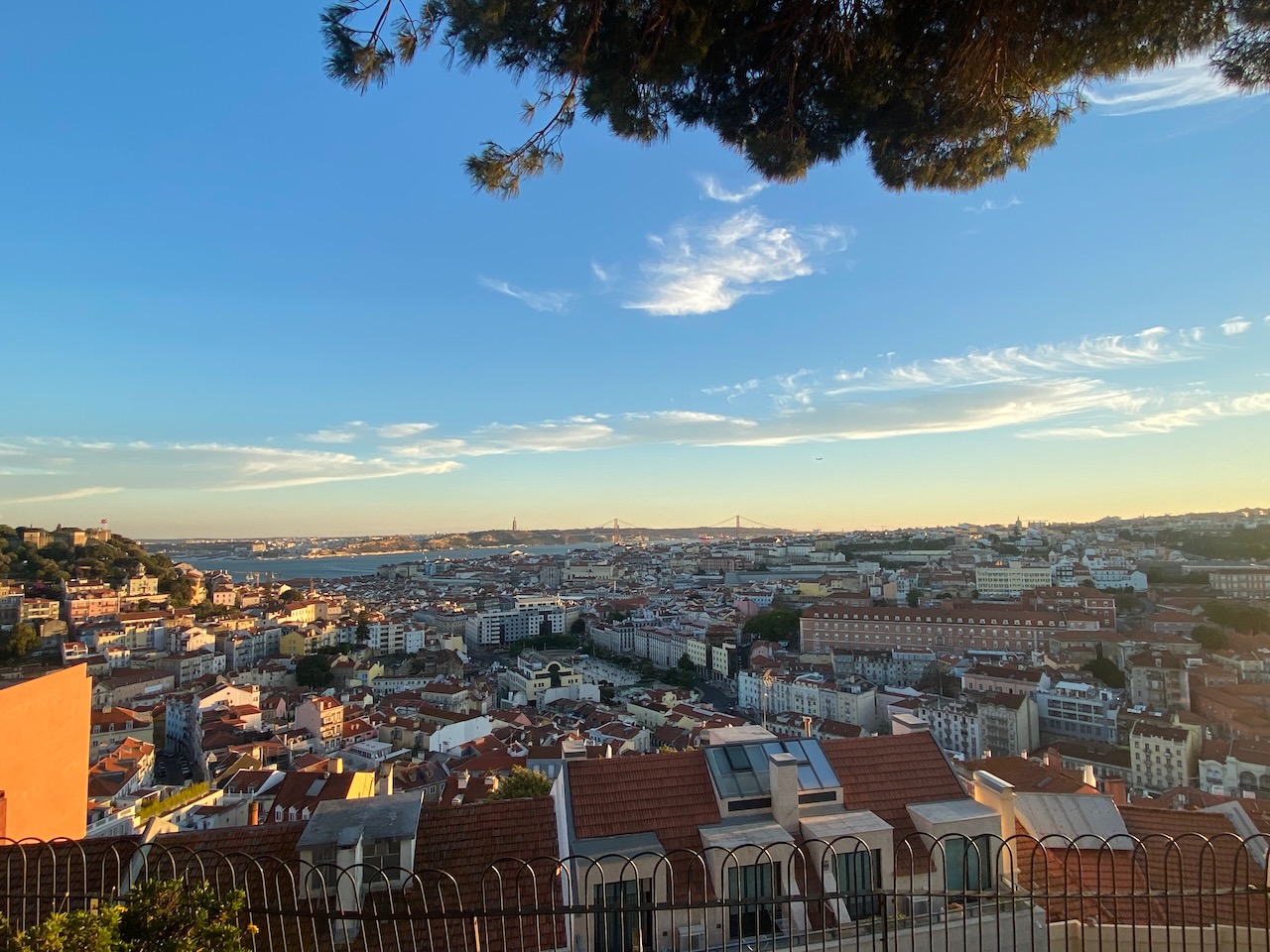
  weekends, as well as to enjoy Lisbon’s great architecture,
  viewpoints, beaches and local cuisine.

  Thanks to HGS-HIRe as well as Christian Fischer, Gernot Eich-
  mann and the hadron group at IST for this great experience.
|
 |
|
Edgar Perez Lezama – National University of Mexico (UNAM): September - November 2017 |
 |
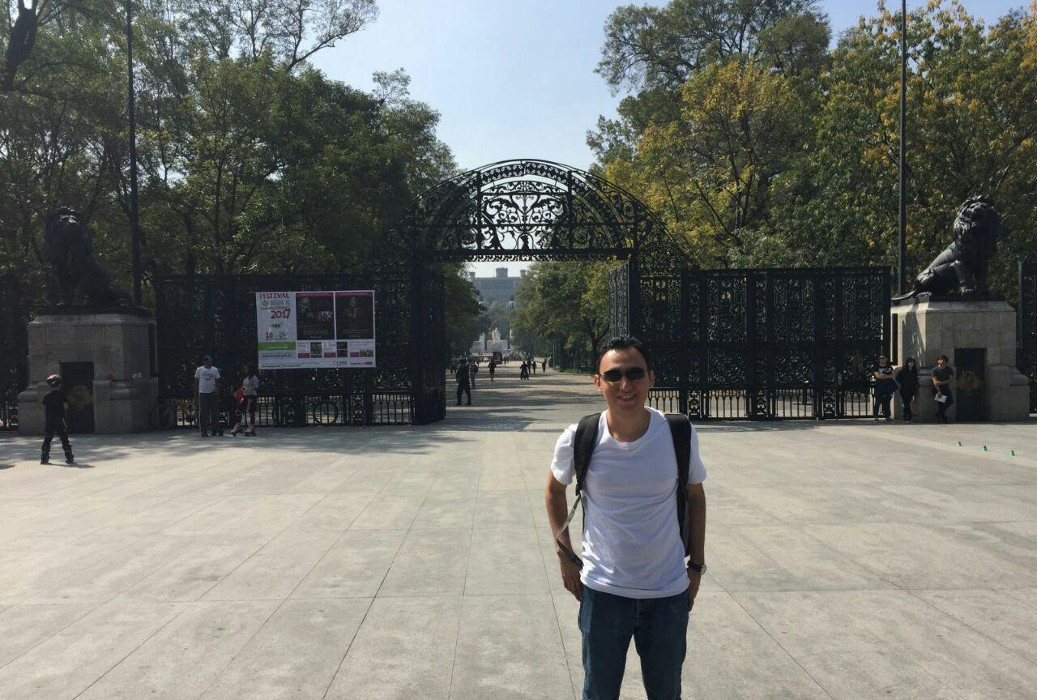
  Thanks to the HGS-HIRe Abroad program for giving
  me the opportunity to spend time abroad in my home
  country, Mexico. Mexico city is a very multicultural
  and alive city, is the center of business, culture
  and government and was once the center of the entire
  Aztec empire.

  UNAM is located in the south-west of the city, it
  is by itself a small city inside the megalopolis.
  It holds more than 300 thousand students and around
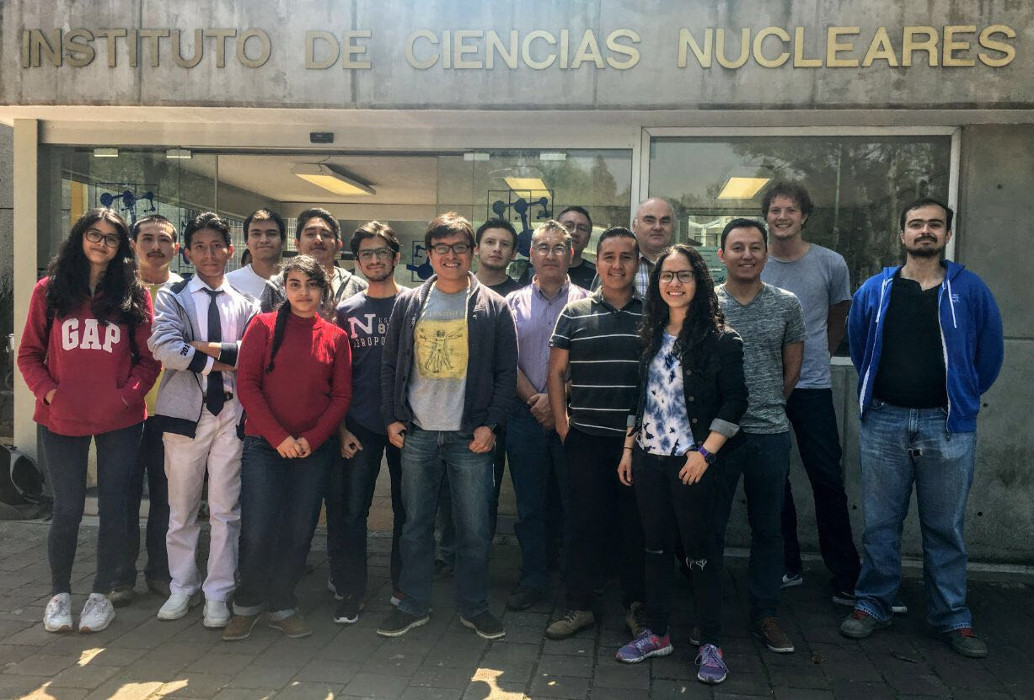
  36 thousands of academic staff. I worked in the ALICE
  group of ICN (Nuclear-Science Institute), specifically
  in the group of Dr. Guy Paic.

  The Mexican group is composed by many bachelor and
  master students and a couple of doctoral student.
  I learned and got experience together with them while
  helping them and participating in the local meetings.
|
  I received fruitful comments and feedback on my work
  by Dr. Guy Paic and Dr. Antonio Ortiz, they helped me
  in developing new tools for a better understanding
  of the hard and soft components in a proton-proton
  collisions, by studing the xT scaling as a function
  of event multiplicity.

  In the 6th week of my stay I participated in a local
  ALICE Mexican meeting, held in Puebla city. Where all
  the ALICE groups from all around the country meet to
  discuss and show the latest updates. I presented some
  of my PhD results there and they were received positively.

  All in all, I am very thankful to the local mexican
  group and every single one of the members who made me
  feel one more of them. And thankful as well to the
  HGS-HIRe Abroad program for letting me gain more
  experience and improve my PhD work.
|
 |
|
Alexey Prosvetov - GRESPI, University of Reims, Champagne-Ardenne, France: June - July, November 2017 |
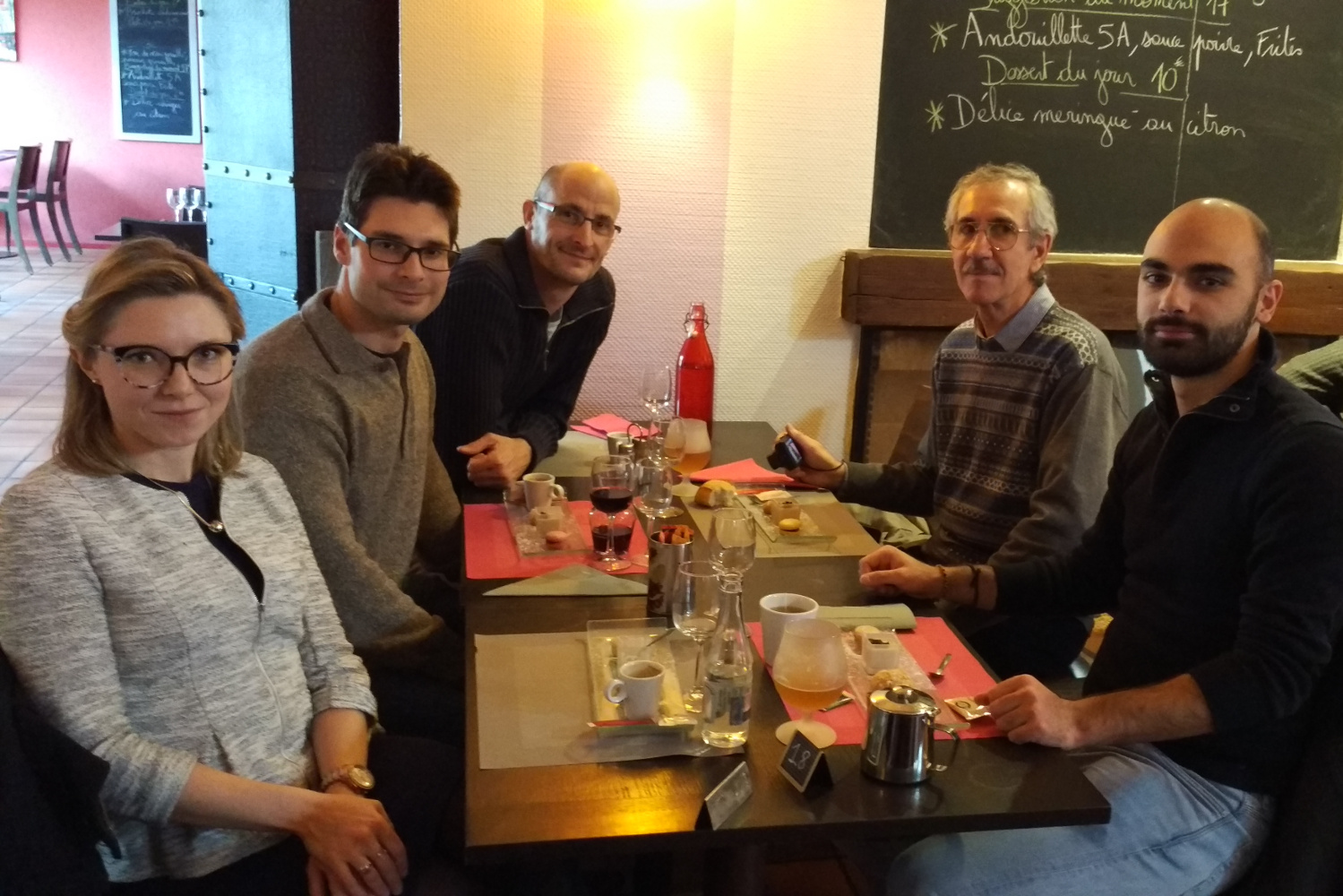 |
  Thanks to the HGS-HIRe Abroad program I was able
  to spend the 2nd month at the Multiscale Thermophysics
  Lab, GRESPI, University of Reims Champagne-Ardenne in
  France in November 2017. The first month I stayed
  there in June-July before the long French summer holiday.

  I finished the main part of the photothermal radiometry
  measurements of the irradiated and pristine graphite
  samples in the summer, but I didn't have enough time
  for the detailed data analysis.

  The break in between the two stays allowed obtaining
  the first results and finding out which additional
  measurements should be performed during my second stay
  in order to clarify the white spots and check the
  proposed hypothesis.
|
  The second part of my stay in Reims was very helpful
  and productive. This time I was focused on the deep
  discussions with the experts from the group of Prof.
  M. Chirtoc, and more accurate and consistent treatment
  of the measured data.

  Besides that I measured several more samples to have
  full and systematic picture. All together it brought
  me a lot of interesting results which we are going to
  publish in the nearest future.

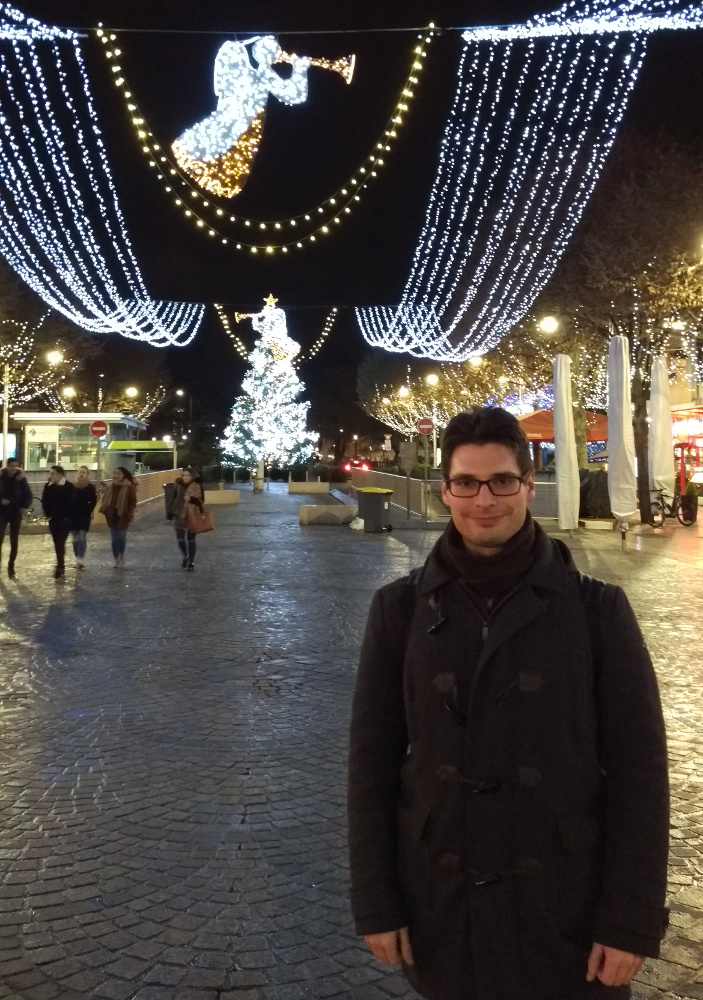
  Although I had a lot of work in the lab, I managed to
  enjoy the winter season in Reims too. In the end of
  November the Christmas markets started in France, and
  I spent one Sunday visiting it.

  One more fascinating thing there was a great light show
  on the facade of the Notre-Dame de Reims. The light was
  painting the sculptures and arcs on the front side of
  the cathedral, making impressive 3D animation scenes of
  the cathedral history.

  I am very thankful to HGS-HIRe for this experience and
  recommend to other students to use the great opportunity
  of the HGS-HIRe Abroad program.
|
 |
|
Pavlos Koseoglou - RIKEN, Wako (near Tokyo), Japan: April - June 2017 |
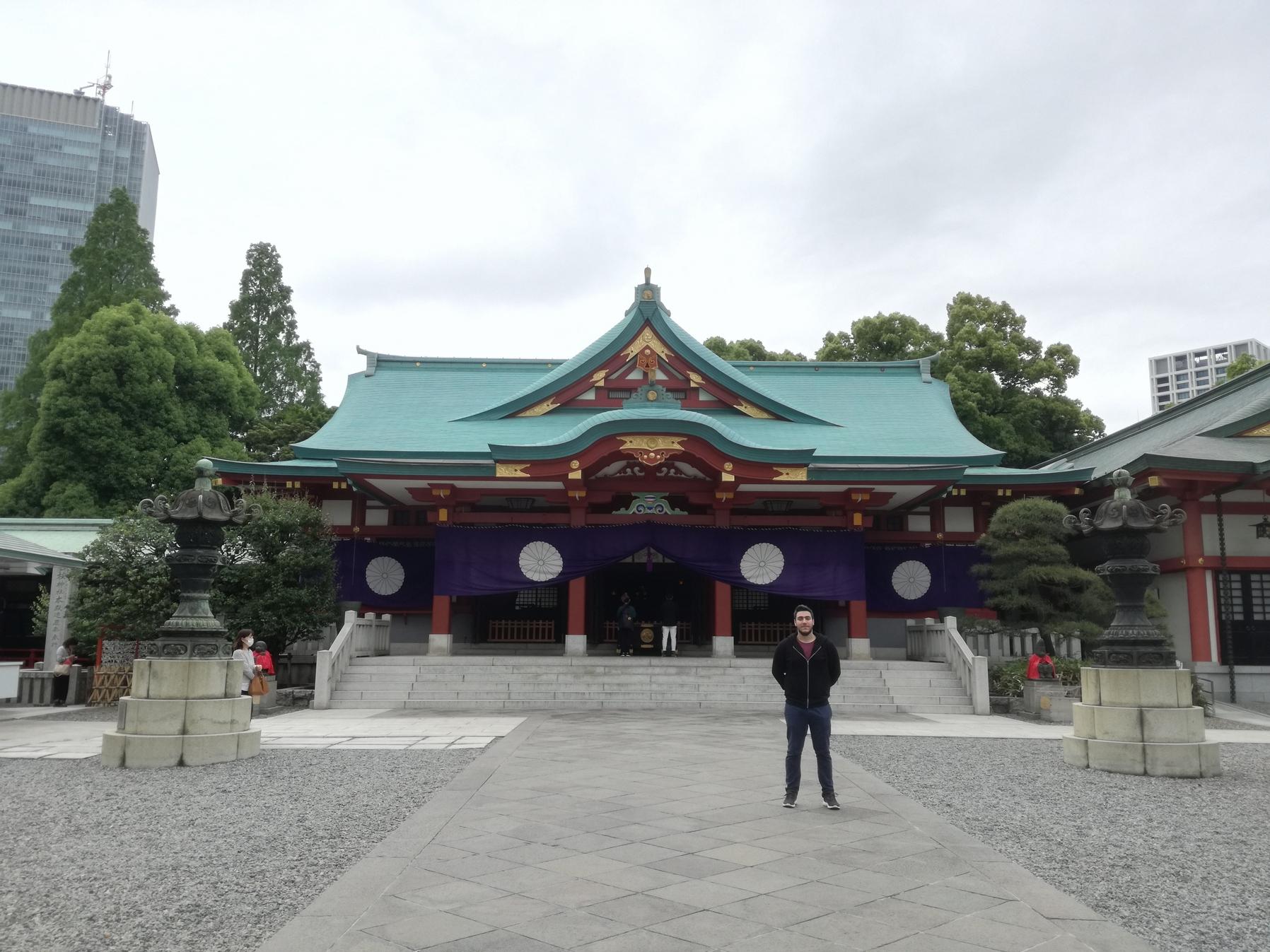 |
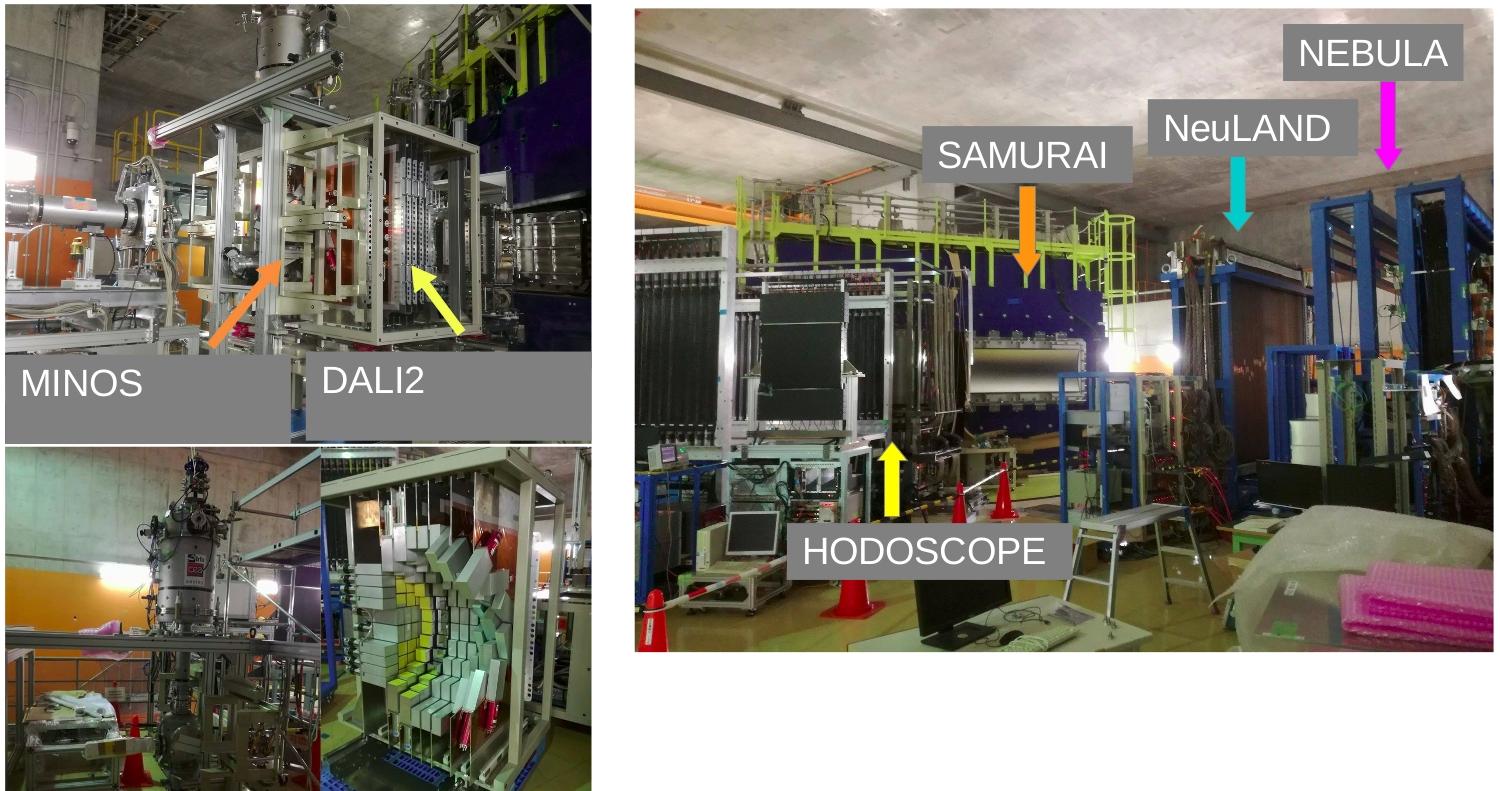
  Japan, indeed a very nice, unique and interesting
  place to be. Tokyo combines the most modern and
  futuristic concepts with the ancient culture of
  Japan. For an experimental nuclear physicist there
  is more! RIKEN!

  The facility of RIKEN provides the ability to explore
  a big part of the nuclear chart. I spent one month
  working with scientists from all over the world,
  specialists on their field and passionate for their
  work. I participated in the recent SEASTAR Campaign
  where 2+ and 4+ states where measured for the fist
  time for isotopes near 52 Ar, 53 K and 63 V.

  These results, namely the trends of the energy levels
  of the isotopes is this area, will guide to the
  theoretical understanding of the nucleus. The experience
  I gain is, for sure, a great stockpile for the upcoming
  unique experiments in FAIR.
|
  It was the first time I traveled to Japan. Tokyo is
  a city that combines everything. From modern areas
  like Shibuya and Shinjuku to historical and traditional
  temples like Sensoji Temple in Asakusa area.

  One of the first things that someone observes is the
  politeness of the people, something which, somehow,
  comes also to you after a while. The different tastes,
  the very alive colors in the city create a new environment,
  quite far from the European one.

  I enjoyed my time there and I would like to go back and
  spend more time there.
|
 |
|
Moritz Greif - Tsinghua University, Beijing, China: August - November 2016 |
 |
Following the invitation of a professor in Beijing and
supported by HGS-HIRe abroad, I spent three month (mid
August - mid November 2016) at Tsinghua University in
the middle of Beijing. Tsinghua University is said to be
one of the top universities of China. First of all it is
a very large university, comparable to a separate quarter
of the city. The heavy-ion community is however very small,
and I was the only non native speaker. Talks and seminars
are very rare. Apart from the fruitful cooperation with my
host professor, there was not much scientific exchange
possible, as there were no international postdocs or
professors. However, I gave my best to communicate with
the local students, even if very often English is an issue.

I worked on a side topic for my PHD, which will be an
important part of the project, and I was also able to
exchange some knowledge with some local students.
I had to cope with a few difficulties, such as the
heavily censored and extremely slow internet, and the
extremely unpleasant air pollution.
|
During my stay I gave talks in Wuhan (Hard probes 2016
conference), Hefei (USTC), and twice at Tsinghua University.

I lived in a student housing for foreigners, in a two-room
apartment. The wired internet was extremely slow, and hot
water is only available for certain times. The bathroom
and the laundry had a very low standard and washing was
only cold. Due to chinese law, there was no heating in
the room until November, such that in october I had to
wear full outdoor clothing insinde.

Apart from those inconveniences I enjoyed the company of
my chinese colleagues and the interesting food. During the
national holiday I visited the utmost north of China,
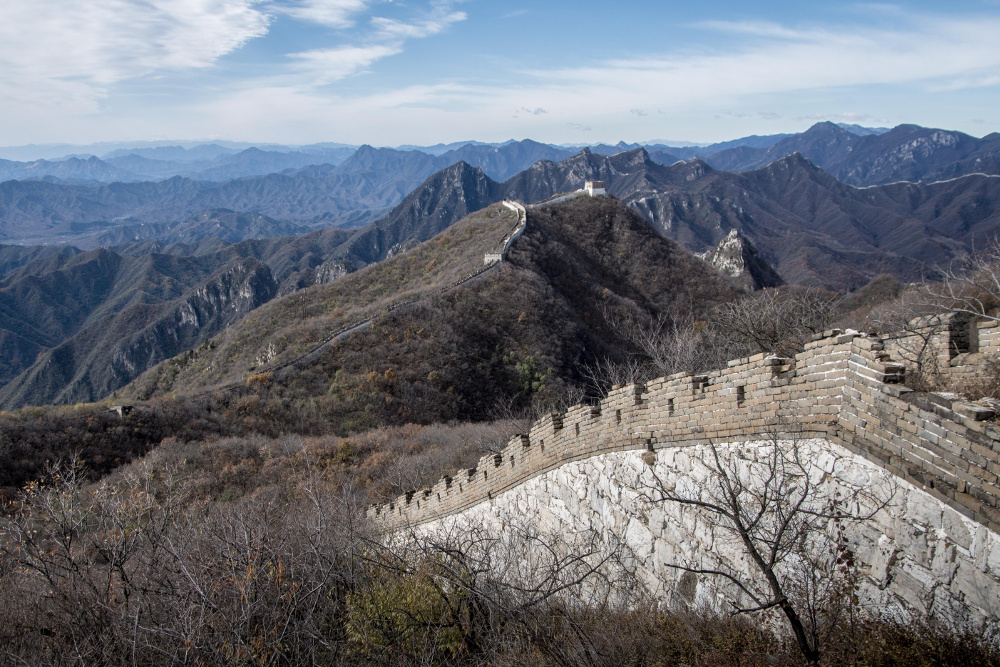
which was a marvellous experience. I could also see the
Great Wall, and spent a few days in the very South.
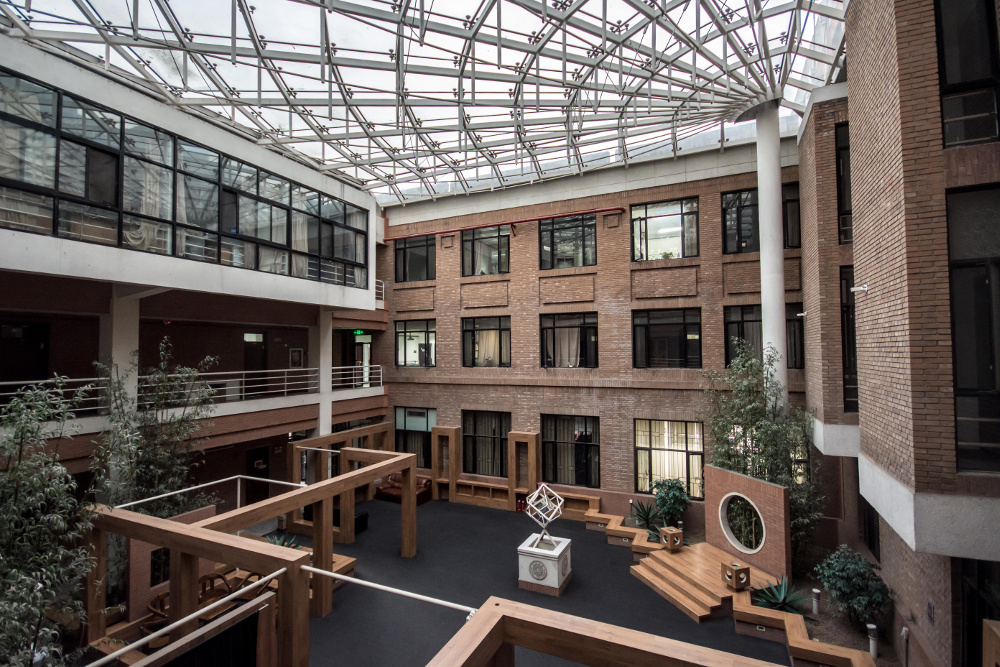
The pictures show my institute at Tsinghua University
and an unrestored part of the Great Wall.
|
 |
|
© 2008-2025 Helmholtz Association + Helmholtz Graduate School
| | |